Sigiriya Wildlife Corridors: Why Do They Matter?
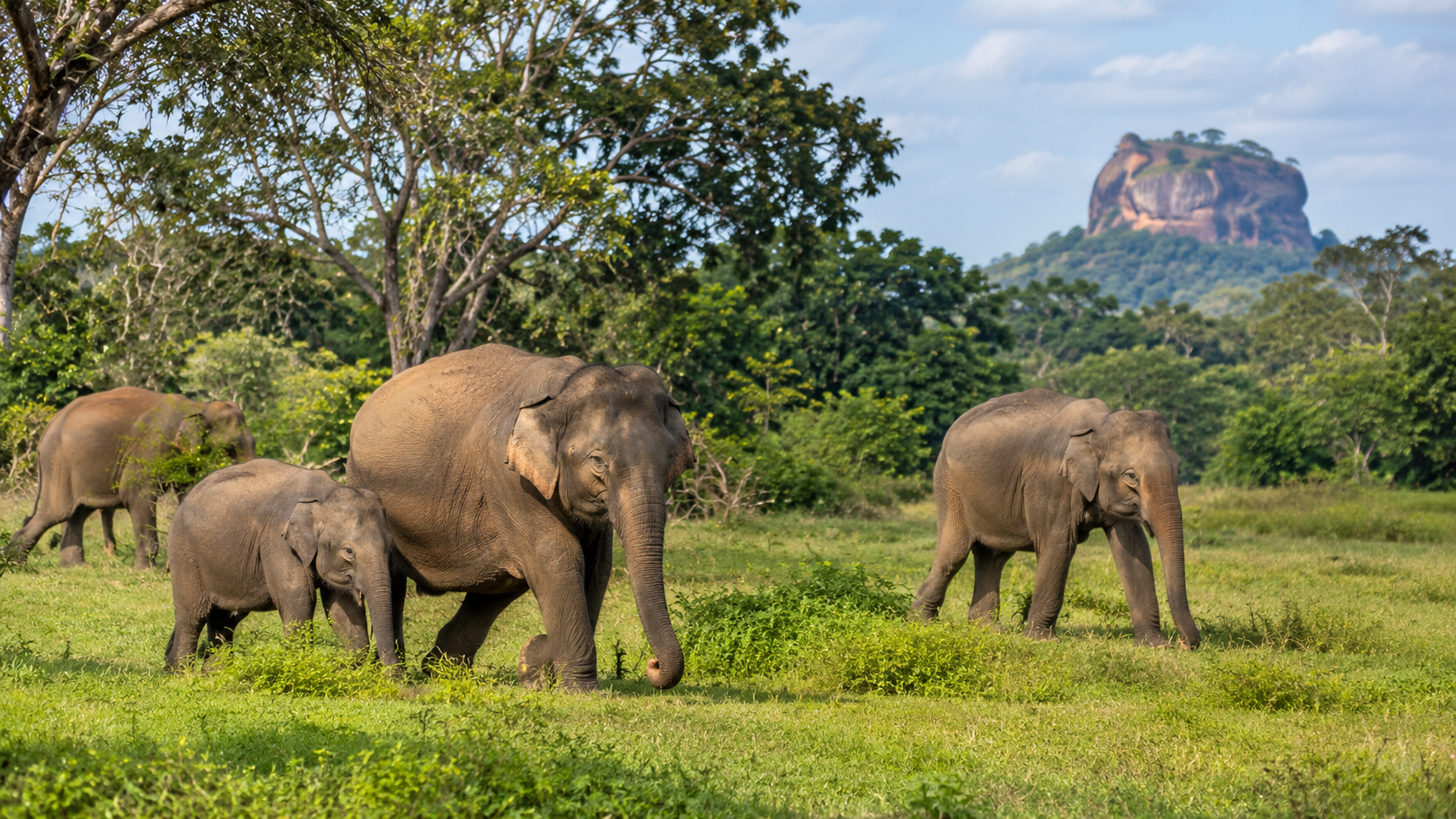
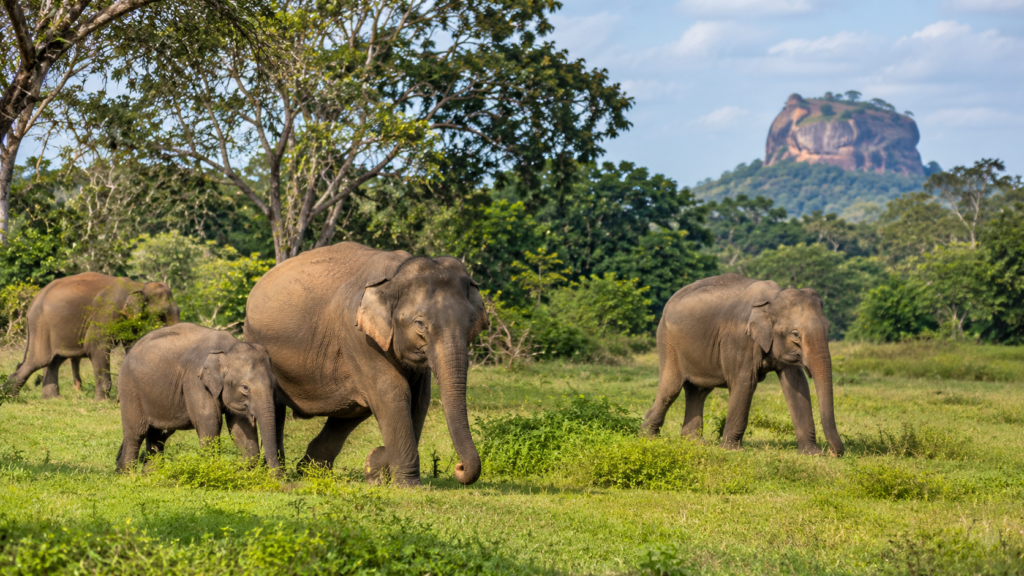
Sigiriya Wildlife Corridors play an important role in protecting the natural habitats surrounding Sri Lanka’s famous Lion Rock. Beyond the ancient fortress, the wider Sigiriya and Habarana region contains forests, reservoirs, grasslands and protected areas used by wild elephants.
What Are Sigiriya Wildlife Corridors?
Wildlife corridors are areas of connected habitat that allow animals to move between forests, national parks and other natural environments.
Around Sigiriya, these connections are particularly important for Asian elephants.
Elephants require large areas to find enough food and water throughout the year. Their movements are influenced by rainfall, vegetation and changing water levels.
Where Are the Main Wildlife Corridors Near Sigiriya?
Minneriya National Park
Minneriya is known for its seasonal gatherings of wild elephants.
During drier periods, falling water levels expose grasslands around Minneriya Reservoir, providing grazing opportunities.
Kaudulla National Park
Kaudulla is another important elephant habitat in the region.
Elephants move between Minneriya and Kaudulla as environmental conditions change.
Hurulu Forest Reserve
Hurulu Forest Reserve, near Habarana, provides additional habitat for elephants.
Its forested areas and surrounding vegetation support seasonal elephant movements.
Minneriya Jungle Corridor
The Minneriya Jungle Corridor is a recognised conservation area that helps maintain wildlife movement between protected habitats, including connections towards Wasgamuwa.
Why Do Elephants Need Wildlife Corridors?
1. Access to Food and Water
Elephants consume substantial quantities of vegetation and need reliable access to water.
During dry periods, some habitats become less suitable as water sources shrink and vegetation changes.
2. Seasonal Movement
Elephants do not remain permanently in one national park.
Their movements respond to rainfall, reservoir levels and available grazing.
3. Healthy Elephant Populations
Connections between habitats allow elephants from different groups to interact.
This supports breeding opportunities and helps reduce the long-term effects of population isolation.
4. Reducing Human-Elephant Conflict
When traditional movement routes are interrupted, elephants may enter agricultural land or settlements.
This can lead to crop damage, property damage and dangerous encounters.
Protecting habitat connections, alongside appropriate land-use planning and community-based conservation, can help reduce some of these pressures.
What Threatens Wildlife Corridors Around Sigiriya?
Habitat fragmentation: Roads, buildings and expanding settlements can divide natural habitats.
Agricultural expansion: Changes in land use may reduce access to traditional elephant movement areas.
Human-elephant conflict: Encounters near farms and villages create risks for both people and elephants.
Changes in water availability: Reservoir levels and water-management decisions can affect grazing habitats and elephant movements.
Can Tourists See Elephants Near Sigiriya?
Yes. The wider Sigiriya region offers opportunities to observe wild elephants in protected areas.
Minneriya, Kaudulla and Hurulu Eco Park are commonly considered for wildlife excursions.
For more information about the destination, explore Sigiriya Hotel and the nearby attractions around Lion Rock.
Travellers interested in the wider Sigiriya landscape can also explore Lion Rock Sri Lanka.
How Can Visitors Support Wildlife Conservation?
Responsible tourism can help reduce unnecessary disturbance to wild animals.
Visitors should:
- Choose authorised safari operators and experienced guides.
- Maintain a safe distance from elephants.
- Avoid feeding, chasing or blocking wildlife.
- Remain inside safari vehicles where required.
- Never approach elephants encountered on public roads.
- Avoid littering in forests and protected areas.
Respecting wildlife and local communities helps make nature-based tourism more sustainable.
Conclusion
Sigiriya Wildlife Corridors are essential to the wider ecological landscape surrounding Lion Rock.
They help elephants move between forests, grasslands, reservoirs and protected areas as environmental conditions change.
Maintaining these connections supports wildlife conservation and can contribute to efforts to reduce human-elephant conflict.
Understanding Sigiriya Wildlife Corridors gives visitors a deeper appreciation of the region, where ancient heritage and living natural ecosystems exist side by side.